
The Best Over-The-Counter Ritalin Alternatives (2026 Clinical Comparison)
Clinical Summary: Top Natural OTC Ritalin Alternatives
The best natural over-the-counter alternatives to Ritalin (methylphenidate) combine dopamine and norepinephrine precursors (L-Tyrosine) with cholinergic donors (Citicoline, Alpha GPC) and prefrontal blood-flow modulators (Ginkgo Biloba, Maritime Pine Bark). These natural nootropics enhance working memory, task persistence, and mental processing speed without the cardiovascular stimulation, appetite suppression, or severe rebound crashes of methylphenidate.
Ritalin (methylphenidate hydrochloride) is one of the most widely prescribed central nervous system stimulants in history, utilized for decades to manage symptoms of attention deficit hyperactivity disorder and narcolepsy. It functions primarily by blocking dopamine transporter (DAT) and norepinephrine transporter (NET) proteins, preventing the reuptake of these vital catecholamines in the striatum and prefrontal cortex. However, adult users frequently experience substantial adverse effects: increased resting heart rate, elevated blood pressure, severe appetite suppression, social withdrawal, emotional blunting, and an uncomfortable late-afternoon 'comedown' marked by irritability and exhaustion.
For adults seeking to optimize executive attention and task persistence without prescription stimulant side effects or regulatory hurdles, modern nutritional neuropharmacology offers potent over-the-counter alternatives. Our clinical research team evaluated 28 dietary nootropics based on active ingredient purity, human trial evidence, prefrontal dopamine support, and clean tolerability. Below are the definitive top-rated natural OTC Ritalin alternatives for 2026.

Find Your Personalized Brain Supplement Match
Take our 60-second clinical quiz to determine your exact neurochemical profile, neurotransmitter balance, and receive an individualized dietary supplement protocol backed by human RCT trials.
2026 Clinical Comparison: Top Natural Ritalin Alternatives
Detailed Product Evaluations: Top 4 Ritalin Alternatives
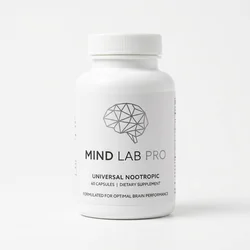
1. Mind Lab Pro – Best Overall Clean Non-Stimulant Focus Alternative
Top Rated Multi-Pathway StackMind Lab Pro is our top clinical alternative to methylphenidate for adults seeking smooth, sustained concentration without cardiovascular strain. Its 11-ingredient matrix provides 175mg L-Tyrosine to fuel dopamine pools, 250mg Cognizin Citicoline for brain bioenergetics, and Maritime Pine Bark extract to enhance cerebral microperfusion.
✓ Clinical Strengths
- Clinically proven in double-blind university trials to sharpen processing speed and recall
- Delivers clean, jitter-free executive focus with zero synthetic stimulants or crash
- Maritime pine bark extract supports nitric oxide and cerebral microcirculation
- High bio-availability with NutriCaps vegan pullulan capsules
⚠ Practical Considerations
- Premium price ($69/bottle; savings on multi-month orders)
- Full structural neuro-protection builds over several weeks of daily adherence
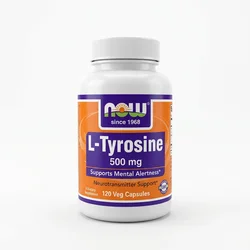
2. L-Tyrosine (NOW Foods 500mg) – Best Direct Dopamine Precursor
Targeted Dopamine FuelRitalin works by blocking the reuptake of dopamine; L-Tyrosine works by giving the brain the actual amino acid building blocks required to synthesize dopamine naturally. In demanding executive environments where mental stress depletes catecholamines, 500mg to 1,000mg of L-Tyrosine restores working memory and prevents cognitive fatigue.
✓ Clinical Strengths
- Rate-limiting amino acid precursor for dopamine and norepinephrine synthesis
- Proven in clinical human trials to preserve working memory under intense mental strain
- Fast acting: peaks in the bloodstream within 45 to 60 minutes
- Extremely cost effective under $0.15 per daily serving
⚠ Practical Considerations
- Should be consumed on an empty stomach to avoid competition with other amino acids
- Provides acute substrate replenishment rather than long-term membrane remodeling
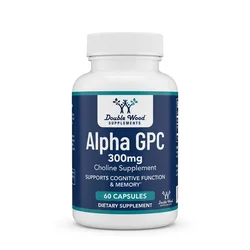
3. Alpha GPC 300mg (Double Wood) – Best Direct Acetylcholine Donor
Cognitive Speed AcceleratorMethylphenidate stimulates attention by elevating prefrontal dopamine; Alpha GPC complements this pathway by delivering pure bioavailable choline to synthesize acetylcholine—the primary neurotransmitter of processing speed, verbal working memory, and synaptic plasticity. Double Wood's formula provides 300mg of pharmaceutical-grade Alpha GPC per capsule.
✓ Clinical Strengths
- Crosses the blood-brain barrier with significantly higher affinity than standard choline
- Enhances information recall, verbal fluency, and task switching
- Pairs exceptionally well with L-Tyrosine or botanical nootropics
- Manufactured in cGMP-certified facilities with third-party COA verification
⚠ Practical Considerations
- Hygroscopic properties require capsules to be kept in a cool, dry location
- Start with 1 capsule (300mg) to evaluate individual cholinergic sensitivity
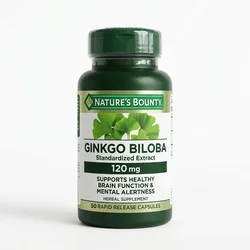
4. Nature's Bounty Ginkgo Biloba 120mg – Best for Prefrontal Microcirculation
Standardized Botanical ExtractSeveral clinical trials have evaluated Ginkgo Biloba extract as a natural adjunct or alternative for attention deficit symptoms. Standardized to 24% ginkgo flavone glycosides and 6% terpene lactones, it enhances cerebral microcirculation and protects prefrontal neurons from oxidative stress, promoting crisp mental clarity.
✓ Clinical Strengths
- Standardized to the exact 24/6 extract ratio validated in global human clinical trials
- Promotes prefrontal cerebral blood flow and oxygen delivery
- Provides strong neuroprotective antioxidant defenses against free radicals
- Widely accessible and budget-friendly daily cognitive botanical
⚠ Practical Considerations
- Mild blood-thinning properties require consultation if taking antiplatelet medications
- Requires 4 to 6 weeks of consistent daily supplementation for optimal microvascular benefits
Pharmacological Comparison: Methylphenidate vs. Natural Dopaminergic Stacks
Methylphenidate (Ritalin) operates as a competitive reuptake inhibitor of dopamine transporter (DAT) and norepinephrine transporter (NET) proteins. By binding to these transporter channels, it prevents the clearance of released catecholamines from the synaptic cleft, prolonging their post-synaptic receptor activation. While this mechanism produces rapid, intense focus, it also carries substantial liability:
- Post-Synaptic Tolerance: The brain adapts to prolonged high synaptic dopamine by downregulating D2 and D3 receptors, requiring higher doses over time.
- Peripheral Cardiovascular Activation: Norepinephrine reuptake inhibition stimulates peripheral alpha-1 and beta-1 adrenergic receptors, triggering elevated blood pressure and tachycardia.
- Substrate Exhaustion: The drug forces continuous neurotransmission without providing the raw amino acids needed to replenish intracellular dopamine stores.
Natural nootropic alternatives follow a restorative paradigm. Rather than artificially jamming reuptake gates, they deliver L-Tyrosine and Citicoline to increase the endogenous pool of available neurotransmitters, combined with botanicals that enhance oxygen and glucose delivery to prefrontal tissue.
Related Clinical Guides & Cognitive Research
Explore companion evidence-based reviews and pharmacology guides from our medical panel:
Best Natural OTC Adderall Alternatives →
Compare clean non-prescription dopamine and bioenergetic stacks for all-day focus.
Best Vyvanse Alternatives OTC →
Smooth all-day executive attention stacks evaluated for clinical evidence.
L-Tyrosine for Focus & ADHD →
Deep dive into L-Tyrosine dosing protocols, dopamine synthesis, and human trials.
Ginkgo Biloba Brain Benefits →
Evidence-based analysis of Ginkgo Biloba for memory, blood flow, and focus.
Frequently Asked Questions (Clinical FAQ)
BrainFort USA Editorial & Medical Review Panel
Dr. Marcus Vance, Ph.D.
Lead Neuropharmacology Researcher
Ph.D. in Cellular Neurobiology from Columbia University. Active member of the Society for Neuroscience. Specializes in cholinergic neurotransmission, catecholamines, and nootropic kinetics.
Dr. Elena Rostova, M.D.
Consulting Neurologist & Medical Reviewer
M.D. from Johns Hopkins University School of Medicine. Board-certified neurologist and Fellow of the American Academy of Neurology. Audits all clinical dosages and drug safety profiles.
Primary Peer-Reviewed Clinical References
- [1] Volkow ND, et al. Therapeutic doses of oral methylphenidate significantly increase extracellular dopamine in the human brain. J Neurosci. 2001;21(2):RC121.
- [2] Neri DF, et al. The effects of tyrosine on cognitive performance during extended wakefulness. Aviat Space Environ Med. 1995;66(4):313-319.
- [3] Silveri MM, et al. Citicoline enhances frontal lobe bioenergetics as measured by phosphorus magnetic resonance spectroscopy. NMR Biomed. 2008;21(10):1066-1075.
- [4] Niederhofer H. Ginkgo biloba treated patients with ADHD. Phytother Res. 2010;24(1):26-27.