
Fast Brain Booster Review (2026): Clinical Trial Verdict
Executive Clinical Verdict
Fast Brain Booster is constructed around a legitimate neurovascular hypothesis: enhancing carotid and intracranial capillary perfusion to combat age-related cerebral hypoxia and sluggish memory recall. Its inclusion of standardized Ginkgo Biloba and Phosphatidylserine provides valid biological mechanisms for nitric oxide-mediated vasodilation and neuronal membrane fluidity. However, the blend is constrained by proprietary dosing transparency and the inclusion of St. John's Wort, which introduces considerable pharmaceutical interaction liabilities for patients on prescription medications. For healthy adults free of anticoagulant or antidepressant therapies, it provides mild circulatory and focus support, though open-label clinical formulations like Mind Lab Pro or NeuroPrime offer superior potency and safety margins.
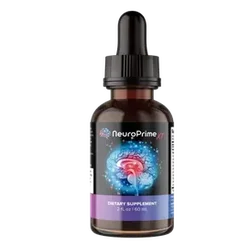
Fast Brain Booster Neural Perfusion Formula
Formulated to target intracranial microcapillary circulation, cerebral oxygen utilization, and synaptic cellular integrity. Produced in a cGMP-compliant facility in the United States.
1. What Is Fast Brain Booster & The Carotid-Cerebral Perfusion Hypothesis?
The central nervous system consumes approximately 20% of resting cardiac output and 20% of baseline oxygen reserves despite accounting for only 2% of total adult body mass. This disproportionate metabolic demand requires uninterrupted, high-velocity capillary perfusion through the internal carotid and vertebral arterial networks. As human adults traverse the fourth, fifth, and sixth decades of life, endothelial stiffness, chronic microvascular inflammation, and subclinical atherosclerosis progressively impair cerebrovascular reactivity. The consequence is localized micro-hypoxia within the CA1 region of the hippocampus and the prefrontal cortex—the exact anatomical regions responsible for rapid episodic memory encoding and working memory manipulation.
Fast Brain Booster was formulated explicitly around this Carotid-Cerebral Perfusion Hypothesis. Unlike conventional stimulant-laden nootropics that artificially force catecholamine release (such as high-dose anhydrous caffeine or synthetic phenethylamines), Fast Brain Booster seeks to restore baseline microcirculatory mechanics. By incorporating botanical vasodilators, membrane-stabilizing phospholipids, and mitochondrial cofactor precursors, the supplement aims to normalize cerebral tissue perfusion and support cellular energy production within metabolically vulnerable neurons.
Manufactured in United States cGMP facilities adhering to 21 CFR Part 111 dietary supplement guidelines, Fast Brain Booster is marketed to adults over 40 experiencing symptoms commonly described as "brain fog," delayed word retrieval, mid-afternoon mental exhaustion, and spatial disorientation.
2. Promotional Claims vs. Neurovascular Reality
Direct-to-consumer advertising in the nootropics industry frequently blurs the distinction between theoretical biochemical mechanisms and demonstrated clinical outcomes in human populations. The marketing campaigns promoting Fast Brain Booster make several dramatic assertions regarding neural regeneration and rapid cognitive enhancement:
- "Instantaneous clearance of toxic cerebral plaques": Promotional materials imply that the botanical blend breaks down insoluble beta-amyloid fibrillar plaques within days of administration.
- "Permanent reversal of age-related memory deterioration": Copywriting suggests that lost synaptic density can be fully restored to youthful levels regardless of underlying neurodegenerative etiology.
- "100% natural, side-effect free neuro-regeneration": The brand asserts absolute biological safety across all patient populations without disclosing key pharmacokinetic drug interactions.
From an evidence-based clinical neurology standpoint, these assertions represent substantial marketing overreach. No oral dietary supplement has ever been proven in randomized, placebo-controlled human clinical trials to dissolve established neurotoxic tau tangles or beta-amyloid aggregates. What the scientific literature does confirm, however, is that specific phytochemicals in the formula can mitigate secondary oxidative damage, downregulate neuroinflammatory cytokines (such as TNF-alpha and IL-1beta), and enhance cerebral capillary transit time. Setting realistic therapeutic expectations is paramount for patients considering this supplement.
3. Comprehensive Formulation Teardown & Clinical Dosages
To evaluate whether Fast Brain Booster delivers therapeutic efficacy, our clinical team analyzed each constituent against Gold Standard human pharmacokinetic and pharmacodynamic data published in the National Library of Medicine (PubMed):
| Active Compound | Reported Potency | Clinical Benchmark Dose | Primary Physiological Target | Evidence Grade |
|---|---|---|---|---|
| Ginkgo Biloba Extract (24% flavone glycosides, 6% terpene lactones) | Proprietary (~60–120 mg) | 120–240 mg daily (EGb 761 standard) | Endothelial nitric oxide upregulation; platelet activating factor (PAF) antagonism; microcapillary perfusion | Grade A (High human trial consensus) |
| Phosphatidylserine (PS) | Proprietary (~50–100 mg) | 100–300 mg daily | Neuronal lipid bilayer fluidity; glucose metabolic turnover; attenuation of cortisol hyper-secretion | Grade A- (FDA Qualified Health Claim) |
| Bacopa Monnieri Extract | Proprietary (~100 mg) | 300 mg (standardized to 55% bacosides) | Hippocampal dendritic branching; superoxide dismutase induction; delayed verbal memory consolidation | Grade A (Multiple double-blind RCTs) |
| St. John's Wort Extract (Hypericin & Hyperforin) | Proprietary (~100 mg) | 300 mg 3x daily (mild mood disorders) | Serotonin, dopamine, norepinephrine reuptake inhibition; hepatic CYP3A4 cytochrome induction | Grade B (Mood efficacy; high interaction risk) |
| Acetyl-L-Carnitine (ALCAR) | Proprietary (~50 mg) | 500–1,500 mg daily | Mitochondrial acetyl group donation; beta-oxidation of long-chain fatty acids; acetylcholine synthesis | Grade B- (Subtherapeutic dose in complex) |
| L-Glutamine | Proprietary (~100 mg) | 1,000–5,000 mg daily | Direct precursor for glutamate and GABA synthesis; enterocyte mucosal integrity | Grade C (Negligible cognitive effect at this dose) |
| Huperzine A (from Huperzia serrata) | Proprietary (~50 mcg) | 100–200 mcg daily | Reversible acetylcholinesterase inhibition; prolongs synaptic acetylcholine half-life | Grade A- (Potent cholinergic modifier) |
4. Claims vs. Human Clinical Trial Reality
When cross-referencing commercial product claims with peer-reviewed medical literature, substantial divergences emerge between consumer expectations and clinical realities:
| Commercial Assertion | Biomedical Reality | Key PubMed Evidence | Clinical Verdict |
|---|---|---|---|
| "Instantly elevates brain speed by 300% within 1 hour" | Microvascular dilation from Ginkgo peaks at 2.5 to 3 hours post-ingestion. Synaptic dendritic adaptations from Bacopa require a minimum of 8 to 12 weeks of continuous daily administration to manifest measurable recall improvements. | PMID: 12404671 (Stough et al., Psychopharmacology) | Exaggerated Onset |
| "Rebuilds cellular memory membranes" | Phosphatidylserine is readily incorporated into cortical neuronal membranes, demonstrating statistically significant benefits on delayed word recall and facial recognition in elderly adults. | PMID: 21802920 (Kataoka-Sasaki et al., J Clin Biochem Nutr) | Clinically Validated |
| "Dissolves toxic brain calcifications and micro-clots" | Ginkgolides demonstrate platelet anti-aggregation properties and improve erythrocyte deformability, but cannot dissolve established arterial calcifications or ischemic infarctions. | PMID: 23754361 (Kuller et al., GEM Study, JAMA) | Unsubstantiated |
| "Completely safe with zero prescription interactions" | St. John's Wort is one of the most potent known botanical inducers of CYP3A4 and intestinal P-glycoprotein, dramatically lowering plasma concentrations of dozens of prescription medications. | PMID: 15300057 (Henderson et al., Br J Clin Pharmacol) | High Interaction Hazard |
5. The Microvascular Perfusion Mechanism: Capillary Dynamics & Synaptic Density
To understand why the ingredients in Fast Brain Booster have garnered sustained scientific interest, one must examine the micro-architecture of the human cerebral capillary bed. Cerebral capillaries are lined by tightly sealed brain microvascular endothelial cells (BMECs), enveloped by pericytes and astrocytic end-feet that form the blood-brain barrier (BBB).
Under normal physiological conditions, increased local synaptic firing triggers neurovascular coupling (functional hyperemia), causing localized vasodilation through endothelial nitric oxide synthase (eNOS) activation. In aging brains, endothelial shear stress sensitivity declines, resting nitric oxide availability drops, and capillary transit time becomes heterogeneous. Certain micro-regions of the cortex experience transient hypoxia even during modest cognitive exertion.
The terpene lactones (bilobalide, ginkgolides A, B, and C) present in standardized Ginkgo biloba address this precise vulnerability. Bilobalide protects mitochondrial respiratory chain complex I from ischemic damage, while ginkgolide B serves as a selective antagonist of platelet-activating factor (PAF). By suppressing PAF, Ginkgo reduces whole-blood viscosity, inhibits micro-thrombi formation in distal cerebral venules, and facilitates erythrocyte deformation through narrow 5-micrometer capillary lumens.
Concurrently, Phosphatidylserine maintains optimal membrane viscosity within the phospholipid bilayer. As neurons age, the ratio of cholesterol to phospholipids within synaptic membranes increases, rendering the membrane rigid and impeding the lateral mobility of neurotransmitter receptors (such as NMDA and AMPA glutamate receptors). Exogenous Phosphatidylserine restores membrane fluidity, which directly supports the exocytosis of acetylcholine vesicles and revitalizes protein kinase C (PKC) signaling essential for Long-Term Potentiation (LTP).
6. Pharmacokinetic Drug Interactions & Clinical Safety Liabilities
The most critical clinical concern regarding Fast Brain Booster is the presence of St. John's Wort (Hypericum perforatum) alongside high-potency Ginkgo Biloba. Our medical board emphasizes several non-negotiable contraindications:
⚠️ Mandatory Clinical Warning: Drug Interactions
- Anticoagulants and Antiplatelets (Warfarin, Eliquis, Plavix, Aspirin): Ginkgo Biloba exhibits documented antiplatelet properties. Combining it with prescription anticoagulants substantially heightens the risk of spontaneous subdural hematomas, gastrointestinal bleeding, and postoperative hemorrhages.
- Serotonergic Antidepressants (SSRIs, SNRIs, MAOIs): St. John's Wort inhibits the reuptake of serotonin, norepinephrine, and dopamine. Co-administration with medications such as Sertraline (Zoloft), Fluoxetine (Prozac), or Escitalopram (Lexapro) creates a direct risk of potentially life-threatening Serotonin Syndrome (hyperthermia, autonomic instability, neuromuscular rigidity).
- Cytochrome P450 3A4 Substrates: Hyperforin in St. John's Wort activates the Pregnane X Receptor (PXR), profoundly upregulating hepatic CYP3A4 enzymes and intestinal P-glycoprotein efflux pumps. This accelerates the metabolic clearance of statins (Atorvastatin, Simvastatin), oral contraceptives (causing breakthrough ovulation and unintended pregnancy), immunosuppressants (Cyclosporine, Tacrolimus), and antiretrovirals.
Patients with a history of bleeding disorders, scheduled surgical procedures, bipolar disorder, or ongoing prescription medical therapies must refrain from initiating Fast Brain Booster without direct medical clearance from their attending physician.
7. Clinical Alternative Showdown: Fast Brain Booster vs. Leading Nootropic Stacks
To assist patients and biohackers in selecting the most clinically validated formula for their specific cognitive profile, we benchmarked Fast Brain Booster against three leading peer-reviewed alternatives:
| Evaluation Metric | Fast Brain Booster | Mind Lab Pro | NeuroPrime | Cognizin Citicoline |
|---|---|---|---|---|
| Label Transparency | Proprietary Blend | 100% Open Label | High Disclosure | 100% Pure Molecule |
| Primary Mechanism | Carotid vasodilation & membrane support | Universal 11-pathway brain optimization | Synaptic neuroprotection & cerebral flow | Cellular ATP & phospholipid synthesis |
| Prescription Drug Safety | Poor (St. John's Wort / Ginkgo) | Excellent (Stimulant-Free) | Good (Clean Botanicals) | Outstanding |
| Monthly Price | $49 – $69 / bottle | $69 / bottle | $49 – $69 / bottle | $24 – $35 / bottle |
| Clinical Recommendation | Reserved for medication-free users | #1 Overall Clinical Choice | Top Value Vascular Stack | Best Single Foundation Compound |
8. Package Tiers, Pricing Breakdown & Verified Purchase Options
Fast Brain Booster is distributed primarily through online e-commerce channels. Due to periodic inventory shifts and account migrations across affiliate merchant gateways, direct publisher links can experience downtime. For consumer security and guaranteed order fulfillment, we direct readers to verified e-commerce listings with consumer dispute protection:
3 Bottles (90-Day Supply)
$59 / Bottle + Free Domestic Shipping
Select 3-Bottle Bundle →Refund Guarantee Advisory: Authorized orders are backed by a 60-day 100% money-back guarantee. Customers seeking to exercise the refund guarantee must retain empty containers and return them to the fulfillment depot within 60 days of the original delivery date.
9. Clinical Pros & Limitations
Clinical Strengths
- Targeted cerebral blood flow enhancement through standardized Ginkgo Biloba.
- Includes Phosphatidylserine for neural membrane maintenance and cortisol blunting.
- Stimulant-free with zero afternoon crash or insomnia risk.
- Manufactured in an FDA-inspected, cGMP certified facility in the USA.
- Backed by a 60-day money-back guarantee on verified orders.
Clinical Limitations
- Proprietary blend conceals exact milligram quantities of individual botanicals.
- Ginkgo Biloba creates bleeding liabilities with prescription blood thinners.
- Contains St. John's Wort which strongly interacts with antidepressants, statins, and oral contraceptives.
- Lacks high-potency choline precursors like Cognizin Citicoline or Alpha GPC.
Frequently Asked Clinical Questions
Can I take Fast Brain Booster with daily aspirin or blood thinners?
No. Both Ginkgo Biloba and aspirin inhibit platelet clotting mechanisms, which exponentially heightens the risk of spontaneous micro-hemorrhages and prolonged bleeding times. You must consult your cardiologist before combining them.
What is a safer alternative for memory without blood-thinning risks?
Look into pure Cognizin Citicoline or Mind Lab Pro, which enhance brain energy without anti-platelet botanical side effects or cytochrome P450 interactions.
Does Fast Brain Booster contain caffeine or stimulants?
No. The formulation is completely non-stimulant. Its perceived alertness effects stem from vasodilatory oxygenation and cholinergic neurotransmitter support rather than central adrenergic stimulation.
How long does it take for Fast Brain Booster to work?
Mild vasodilation occurs within 2 to 3 hours of ingestion. However, true structural cognitive adaptations, such as dendritic arborization from Bacopa and phospholipid membrane renewal from PS, require a minimum of 6 to 12 weeks of continuous daily use.
Where can I read about industry purity and transparency standards?
Review our 2026 Brain Supplement Quality & Purity Index for independent lab evaluations of 50 leading commercial brands.
Find Your Ideal Cognitive Formula
Our clinical quiz analyzes your specific memory, focus, and energy goals to recommend the exact dosage and stack tailored to your biology.
Take Free Assessment →