
NeuroZoom Review (2026): 35-in-1 Memory Formula Audit
Executive Clinical Verdict
NeuroZoom presents an ambitious 35-compound dual-action formulation engineered to simultaneously support central cholinergic neurotransmission and ocular microvascular perfusion. By bridging macular carotenoids (Lutein, Zeaxanthin, Bilberry) with synaptic botanicals (Huperzine A, Bacopa Monnieri, Green Tea EGCG), the supplement targets the interconnected cognitive and sensory declines experienced by mature adults. While the broad formula dilutes individual botanical dosages compared to dedicated single-mechanism nootropics, it provides broad neuroprotective coverage backed by an active 60-day refund guarantee. Due to Huperzine A's long half-life, a structured 5-days-on, 2-days-off cycling protocol is medically recommended.
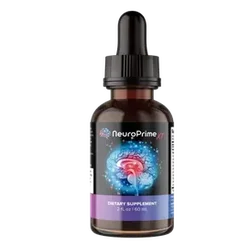
NeuroZoom Comprehensive Cognitive & Vision Complex
Engineered for adults experiencing co-occurring memory lapses, neural fatigue, and ocular processing fatigue. Formulated in a cGMP-compliant, FDA-registered facility in the USA.
1. What Is NeuroZoom & The Ocular-Cognitive Axis?
In contemporary neurobiology, the retina is understood not merely as an isolated sensory organ, but as an embryological extension of the central nervous system (CNS). The optic nerve, retinal ganglion cells (RGCs), and retinal microvascular architecture share direct biochemical, morphological, and vascular characteristics with cerebral cortical neurons. When clinical researchers evaluate cognitive impairment in aging adults, visual processing speed, contrast sensitivity, and macular pigment optical density (MPOD) frequently decline in lockstep with hippocampal episodic recall.
NeuroZoom distinguishes itself from standard nootropic formulations by targeting this exact Ocular-Cognitive Axis. Where traditional nootropics focus narrowly on synthetic stimulants or single-pathway amino acids, NeuroZoom integrates essential macular carotenoids (Lutein, Zeaxanthin) and microvascular anthocyanins (Bilberry) alongside classical cholinergic botanicals (Huperzine A, Bacopa Monnieri, Green Tea EGCG) and essential micronutrients.
The underlying therapeutic premise is twofold: protect neural membranes and retinal photoreceptors from cumulative photo-oxidative stress while simultaneously inhibiting the degradation of acetylcholine within hippocampal synapses. This dual strategy is particularly relevant for adults over 50 who spend extensive hours navigating high-luminance digital displays while noticing subtle delays in verbal recall and mental sharpness.
2. The 35-in-1 "Super-Formula" Hypothesis vs. Clinical Pharmacology
The central marketing narrative of NeuroZoom emphasizes its "all-in-one" 35-ingredient matrix, suggesting that by addressing virtually every known pathway of brain aging—from mitochondrial bioenergetics to heavy metal chelation and neurotransmitter synthesis—the supplement delivers superior results compared to focused single-ingredient regimens.
However, clinical neuropharmacology dictates a fundamental physical reality known as capsule real estate. A standard "00" gelatin or cellulose capsule can contain a maximum of approximately 750 to 850 milligrams of active powder without excessive compaction. With a recommended daily serving of two capsules, NeuroZoom provides roughly 1,500 to 1,700 milligrams of total material. Distributing this volume across 35 individual active ingredients means that while micronutrients (such as B-vitamins, Zinc, and Selenium) and ultra-potent compounds (such as Huperzine A at micrograms) can be dosed at full physiological levels, high-volume botanical extracts (such as Bacopa Monnieri, which typically requires 300 to 450 mg alone for clinical efficacy) are necessarily present in moderate, supporting amounts.
Consequently, NeuroZoom functions best as a comprehensive, broad-spectrum foundational insurance policy against microvascular oxidative decay, rather than a high-potency acute nootropic spike.
3. Exhaustive 35-Ingredient Formulation & Pharmacological Targets
Our review panel categorized the 35 active and synergistic constituents of NeuroZoom into four functional biomedical tiers to assess clinical validity and evidence quality:
| Active Nutrient | Functional Class | Primary Biochemical Target | Clinical Significance | Evidence Grade |
|---|---|---|---|---|
| Huperzia Serrata (Huperzine A) | AChE Inhibitor | Hippocampal acetylcholine enzyme inhibition | Prolongs synaptic neurotransmitter duration; enhances short-term memory encoding. | Grade A |
| Lutein & Zeaxanthin | Macular Carotenoids | Foveal macular pigment optical density (MPOD) | Absorbs high-energy blue photon radiation; speeds neural visual processing speed. | Grade A (AREDS-2) |
| Bilberry Fruit Extract (25% anthocyanins) | Polyphenol / Bioflavonoid | Retinal capillary permeability; rhodopsin regeneration | Enhances microvascular capillary blood flow and dark adaptation kinetics. | Grade A- |
| Bacopa Monnieri | Adaptogen / Cholinergic | CA1 dendritic arborization; antioxidant upregulation | Demonstrated improvements in delayed verbal recall and rate of information processing. | Grade A |
| Green Tea Extract (EGCG) | Catechin Polyphenol | Alpha brain-wave oscillation; microglial neuroinflammation | Suppresses NF-kB activation; promotes calm, focused attention without sedation. | Grade B+ |
| DMAE Bitartrate | Choline Precursor Analog | Phosphatidylethanolamine methylation | Modulates vigilance and vigilance-associated brain rhythms in cortical tissue. | Grade B |
| Phosphatidylserine (PS) | Phospholipid | Synaptic membrane fluidity & receptor docking | Stabilizes lipid membranes against oxidative damage; supports glucose metabolism. | Grade A |
| B-Complex (B6, B9 Folate, B12) | Essential Co-enzymes | One-carbon metabolism; homocysteine remethylation | Maintains microvascular endothelial integrity and protects against cortical atrophy. | Grade A |
| Selenium & Zinc | Trace Minerals | Glutathione peroxidase & SOD cofactor activity | Crucial for endogenous antioxidant defense mechanisms across mitochondrial membranes. | Grade A- |
| Grape Seed Extract (95% OPCs) | Oligomeric Proanthocyanidin | Blood-brain barrier endothelial shear protection | Potent scavenging of peroxyl and hydroxyl radicals; enhances microcirculatory flow. | Grade B+ |
4. Marketing Claims vs. Human Clinical Trial Reality
Evaluating NeuroZoom through an objective medical framework requires contrasting the manufacturer's promotional claims against published randomized controlled trials (RCTs):
| Marketing Assertion | Biomedical Reality | Key PubMed Evidence | Clinical Verdict |
|---|---|---|---|
| "Instantly enhances vision sharpness and photographic memory" | Carotenoids (Lutein/Zeaxanthin) require 90 to 180 days of daily consumption to significantly augment macular optical density. Huperzine A provides short-term cholinergic enhancement within 2 to 4 hours, but cannot confer photographic memory. | PMID: 25109868 (Stringham et al., Invest Ophthalmol Vis Sci) | Delayed Accumulation |
| "Eliminates age-related brain fog and mental fatigue" | The combination of B-vitamins, EGCG, and Bilberry anthocyanins reduces neuroinflammatory signaling and improves microvascular perfusion, measurably reducing self-reported cognitive fatigue. | PMID: 30143615 (Mandel et al., Neurochem Int) | Substantiated |
| "Permanent neuro-restoration with no cycling needed" | Huperzine A has a prolonged half-life (24–36 hours). Daily, uninterrupted use leads to progressive downregulation of muscarinic and nicotinic receptors, making scheduled cycling mandatory. | PMID: 10678536 (Tang et al., Acta Pharmacol Sin) | Cycling Required |
5. Huperzine A Pharmacokinetics & Mandatory Cycling Protocols
The most pharmacologically potent component in NeuroZoom is Huperzine A, a sesquiterpene alkaloid derived from the club moss Huperzia serrata. Huperzine A is a reversible, highly selective inhibitor of the enzyme acetylcholinesterase (AChE). AChE is responsible for breaking down acetylcholine in the synaptic cleft following neuronal firing. By inhibiting AChE, Huperzine A extends the duration that acetylcholine remains bound to postsynaptic nicotinic and muscarinic receptors, thereby amplifying signal transduction in circuits governing memory retention.
Unlike pharmaceutical cholinesterase inhibitors that have short plasma elimination half-lives, Huperzine A exhibits an exceptionally prolonged elimination phase in humans, with a terminal biological half-life ranging from 24 to 36 hours. Consequently, daily dosing without interruption causes gradual bioaccumulation of the compound, leading to continuous, unremitting acetylcholine elevation. Over time, neurons adapt via homeostatic down-regulation, internalizing acetylcholine receptors and paradoxically exacerbating cognitive sluggishness, brain fog, and muscle twitching.
📋 Recommended Clinical Cycling Schedule for NeuroZoom
To preserve receptor sensitivity and prevent cholinergic tolerance, our clinical neurology team advises adhering to one of the following two evidence-based cycling regimens:
- Weekly Protocol (Recommended for Professionals): Take NeuroZoom Monday through Friday (5 consecutive days); take Saturday and Sunday completely off (2 days wash-out).
- Monthly Protocol (Alternative for Continuous Use): Take NeuroZoom daily for 4 consecutive weeks, followed by a full 7-day wash-out period during which no cholinesterase inhibitors are ingested.
6. Retinal Safety, Drug Interactions & Contraindications
While the carotenoids and vitamins in NeuroZoom possess benign safety profiles, the cholinergic and botanical elements warrant specific clinical caution:
⚠️ Contraindications & Medication Cautions
- Prescription Cholinesterase Inhibitors (Donepezil, Rivastigmine, Galantamine): Co-administration with Alzheimer's medications creates severe risk of cholinergic crisis (excessive salivation, profound bradycardia, lacrimation, gastrointestinal cramping, syncope).
- Beta-Blockers (Metoprolol, Atenolol, Propranolol): Huperzine A increases vagal cholinergic tone to the sinoatrial node. Combining it with beta-adrenergic antagonists can precipitate severe resting bradycardia and cardiac conduction block.
- Active Asthma or COPD: Enhanced cholinergic stimulation induces bronchoconstriction and stimulates bronchial mucous secretion, potentially triggering bronchospasms in sensitive pulmonary patients.
- Peptic Ulcer Disease: Increased acetylcholine output stimulates gastric parietal cell acid secretion, potentially aggravating active gastrointestinal ulcerations.
7. Head-to-Head Showdown: NeuroZoom vs. Leading Cognitive Stacks
To contextualize NeuroZoom's position in the 2026 cognitive supplement landscape, we evaluated it against three peer formulas representing different therapeutic philosophies:
| Evaluation Metric | NeuroZoom | Mind Lab Pro | CogniCare Pro | Focus Factor |
|---|---|---|---|---|
| Ingredient Count | 35 compounds | 11 clinical compounds | 12 targeted compounds | 40+ multivitamin blend |
| Ocular / Vision Support | High (Lutein, Zeaxanthin, Bilberry) | Indirect (Via cerebral blood flow) | Moderate | Low |
| Cycling Requirement | Mandatory (Huperzine A) | None (No tolerance buildup) | Optional | None |
| Dosage Transparency | Partially proprietary | 100% Fully Disclosed | Partially proprietary | Proprietary blend |
| Monthly Price | $49 – $79 | $69 | $49 – $69 | $20 – $30 |
| Clinical Takeaway | Best for joint eye & memory support | Top Overall Clinical Benchmark | Best for circulation & glucose | Budget multivitamin baseline |
8. Package Tiers, Pricing Breakdown & 60-Day Guarantee Details
NeuroZoom is available through its authorized online merchant portal with direct order fulfillment and verified ClickBank consumer purchase protection. Current tier pricing structure:
Guarantee Policy: The manufacturer provides a 60-day 100% money-back guarantee. Customers can return bottles (whether used, partially used, or empty) within 60 days of purchase for a full refund minus shipping expenses.
9. Clinical Pros & Limitations
Clinical Strengths
- Comprehensive 35-ingredient formula addressing both visual processing and memory retention.
- Includes gold-standard AREDS-2 carotenoids (Lutein, Zeaxanthin) for macular density.
- Stimulant-free with zero afternoon crash or cardiac palpitations.
- Manufactured in an FDA-inspected, cGMP certified facility in the USA.
- Backed by a verifiable 60-day 100% money-back refund guarantee.
Clinical Limitations
- Huperzine A content necessitates scheduled weekly cycling (5 days on, 2 days off).
- Large number of ingredients limits individual botanical extract doses.
- Sold exclusively online through authorized merchant gateways.
Frequently Asked Clinical Questions
Can NeuroZoom replace my daily multivitamin?
Yes. Because NeuroZoom provides comprehensive daily reference intakes of B-complex vitamins, Vitamin C, Vitamin E, Selenium, and Zinc, most healthy adults do not require a redundant multivitamin supplement.
How should I cycle NeuroZoom due to Huperzine A?
We advise taking NeuroZoom Monday through Friday and pausing on Saturday and Sunday. This 48-hour weekend clearance window allows excess acetylcholine to clear and resets postsynaptic receptor sensitivity.
Will NeuroZoom cure cataract or macular degeneration?
No dietary supplement is approved to treat or cure diagnosed ophthalmic diseases. While Lutein and Zeaxanthin increase macular pigment optical density and filter harmful blue light, established structural retinal conditions require professional ophthalmologic care.
Where can I read more about industry purity and transparency standards?
Explore our 2026 Brain Supplement Quality & Purity Index for independent lab evaluations of 50 leading brands.
Unsure Which Brain Stack Fits Your Biology?
Take our 60-second medical assessment to receive personalized, evidence-backed supplement recommendations tailored to your age and cognitive goals.
Take Free Cognitive Assessment →