
Liquid Nootropics & Mushroom Tinctures vs. Capsules: Clinical Bioavailability Guide
💧 Delivery Format Verdict: Are Liquid Tinctures Superior to Capsules?
The short answer: Liquid tinctures and sublingual drops provide a faster onset of action and superior oral mucosal absorption for certain compounds, bypassing first-pass hepatic metabolism. However, capsules remain superior for ingredients requiring precise milligram standardization, enteric delivery, or those with highly bitter botanical taste profiles.
- Absorption Velocity: Sublingually held liquid tinctures enter bloodstream microcapillaries in 5–15 minutes, compared to 30–60 minutes for gelatin or cellulose capsules.
- Extraction Superiority: High-grade mushroom tinctures utilize dual-extraction (hot water + organic alcohol) to isolate both water-soluble beta-glucans and alcohol-soluble triterpenes.
- Dosage Precision: Capsules allow consistent, high-milligram dosing (e.g., 300 mg Bacopa or 500 mg Citicoline) without the user-measurement error inherent in dropper bottles.
- Solvent Quality: Look for organic cane alcohol or vegetable glycerin extraction bases, avoiding artificial flavoring agents and high-fructose syrups.
Find Your Ideal Nootropic Stack
Take our free 4-question quiz to explore evidence-informed options for memory, focus, stress, and mental clarity based on your preferences.
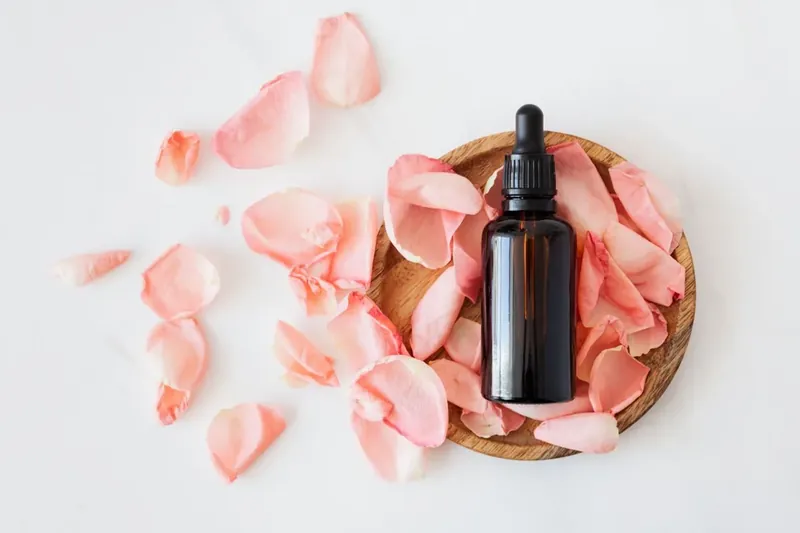
The Pharmacokinetics of Oral vs. Sublingual Supplement Delivery
When optimizing a cognitive supplement regimen, the delivery medium plays an enormous role in pharmacokinetic bioavailability—determining what percentage of the ingested bioactive molecules successfully cross biological membranes and reach the blood-brain barrier intact.
The debate between liquid tinctures and encapsulated powders involves distinct physiological trade-offs:
1. First-Pass Hepatic Metabolism vs. Sublingual Diffusion
When a capsule is swallowed, it travels to the stomach, where gastric hydrochloric acid and digestive enzymes break down the outer shell. Bioactive compounds are then absorbed across the intestinal epithelium into the portal vein, which routes them directly to the liver.
During this "first-pass metabolism," hepatic cytochrome P450 enzymes can substantially degrade, conjugate, or deactivate fragile botanical molecules before they ever reach systemic arterial circulation. In contrast, liquid drops administered sublingually (held under the tongue for 60–90 seconds) diffuse directly across the thin oral mucosal membrane into the sublingual venous plexus, bypassing the liver and entering arterial circulation rapidly.
2. Dual-Extraction Science: Hot Water + Ethanol
For medicinal mushrooms and adaptogenic herbs, liquid tinctures offer a unique biochemical advantage when prepared via dual-extraction:
- Hot Water Decoction: Breaks down the tough fungal chitin cell walls to liberate water-soluble polysaccharides, particularly beta-(1,3/1,6)-D-glucans, which modulate immune and neuro-inflammatory responses.
- Ethanol (Alcohol) Extraction: Dissolves and concentrates alcohol-soluble lipophilic compounds—such as ganoderic acids in Reishi, triterpenoids in Chaga, and hericenones in Lion's Mane—which are poorly extracted by water alone.
Quality liquid tinctures blend these two distinct extractions in calibrated ratios (typically 20–30% organic ethanol to preserve stability and microbial sterility), ensuring a complete spectrum of bioactives.
| Attribute | Liquid Tinctures / Drops | Encapsulated Powders |
|---|---|---|
| Onset Time | Fast (5–15 minutes sublingual) | Standard (30–60 minutes gastric) |
| First-Pass Liver Bypass | Partial to high (when held sublingually) | Zero (100% gastrointestinal route) |
| Dosage Capacity | Moderate (1–2 ml per serving) | High (500–2,000 mg per serving) |
| Taste Profile | Intense, earthy, often bitter | Completely neutral / tasteless |
| Shelf Stability | 3–5 years (alcohol-preserved) | 2–3 years (dry desiccant sealed) |
Alcohol vs. Vegetable Glycerin Bases
Consumers who avoid alcohol often opt for vegetable glycerin-based liquids (glycerites). While glycerites offer a pleasant, naturally sweet taste without raising blood sugar, vegetable glycerin has a significantly lower solvent capacity than ethanol for lipophilic compounds like triterpenes. For maximum bioactive extraction, alcohol-based tinctures remain the clinical gold standard.
Learn more about choosing verified formulations in our Brain Supplement Buying Guide and inspect commercial drop reviews like Pineal Guardian X and NeuroPrime.
Independent Commercial Formulation Audits
For consumers seeking pre-formulated multi-ingredient cognitive stacks or botanical adaptogen blends, our research panel has analyzed clinical ingredient transparency, third-party laboratory certifications, manufacturer pricing economics, and money-back guarantees:
Phytomem One Review
An encapsulated memory and neuro-retention formula featuring standardized Bacopa, Citicoline, and Phosphatidylserine. Evaluated for label transparency and 60-day refund guarantee.
Pineal Guardian X Review
Sublingual liquid nootropic combining Lion's Mane, Ginkgo biloba, and Bacopa for rapid absorption. Audited for dropper precision, sublingual bioavailability, and 365-day refund policy.
Neuro Serge Review
A 20-botanical neuro-protective complex delivering green tea polyphenols, adaptogens, and antioxidant flavonoids. Evaluated for oxidative defense and cellular energy support.
Frequently Asked Questions
Are liquid tinctures more potent than supplement capsules?
Not automatically. While tinctures absorb more rapidly via the sublingual mucosa, potency depends entirely on the starting raw material quality, extraction ratio (e.g., 1:1 vs 1:5), and standardized percentage of active compounds, rather than the delivery vehicle alone.
How should a liquid tincture be taken for maximum brain absorption?
Place the recommended dropper dose directly under the tongue and hold it there for 60 to 90 seconds before swallowing. This maximizes direct mucosal diffusion into the bloodstream and minimizes liver degradation.
Do alcohol-based tinctures cause intoxication?
No. A standard tincture serving (1 ml or approximately 30 drops) contains a negligible amount of alcohol—equivalent to the ethanol content of eating a ripe banana or a slice of sourdough bread.
Can liquid tinctures be mixed with hot tea or coffee?
Yes. Adding your tincture to warm water or tea is an excellent way to evaporate off residual alcohol taste while preserving heat-stable beta-glucans and adaptogenic polyphenols.
Continue Your Cognitive Health Research
Explore our peer-reviewed ingredient monographs, clinical trial evaluations, and commercial supplement audits.
To reference this peer-reviewed monograph in academic research, editorial publications, or health journalism: